1. Plan with the people involved
Residents, relatives and landlords can each share what they need. The team puts the goals into one clear plan.
Fort Washington, PA · Montgomery County
Is it time to ask for hoarding help in Fort Washington, PA? A cleanup team can sort with the resident, protect keepsakes, remove trash and pest damage, and clean the home. Call (877) 812-4220 to ask questions.
If anyone is in danger, call 911 first. For a suicide crisis, call or text 988.
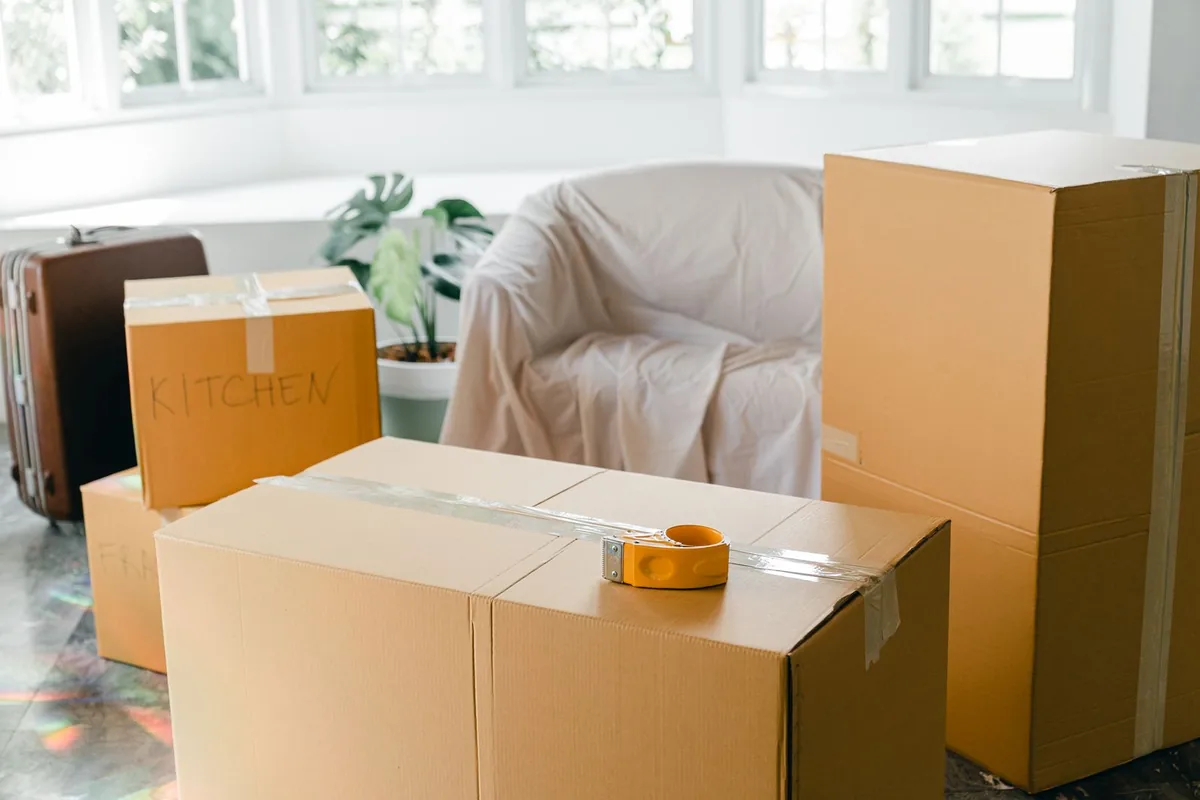
Hoarding cleanup services bring in people and equipment to do what is hard to do alone: protective gear, safe lifting, correct disposal and thorough cleaning. The result is a home that is safer and easier to use.
When your home in Fort Washington needs more than a regular cleaning, you can get hoarding cleanup services with protective gear, safe hauling and disinfecting. Call Fort Washington Biohazard Cleanup Help from anywhere in Montgomery County.
With 24% of people in Fort Washington sixty-five or older, many hoarding cleanups here involve a long-time homeowner and relatives who live far away. Most homes in Fort Washington are owner-occupied, with about 19% rented. Owners and their families usually decide the pace and what stays.
The work often covers:
Residents, relatives and landlords can each share what they need. The team puts the goals into one clear plan.
Where possible, the crew meets the resident before work starts. A calm introduction sets the tone for the visit.
Trash, recycling and donations are separated as the crew works. Larger items are planned for before lifting.
Rooms are cleaned and the team shares ideas for keeping spaces open. Support from a doctor, counselor or local group can be part of that plan.
Hoarding cleanup in Fort Washington, PA typically costs $500 to $25,000, depending on the size of the affected area and the materials involved.
Disposal and hauling fees, dumpster use and donation runs are part of the total. Ask the cleanup team to say what is included and what is not.
| Type of job | Typical range |
|---|---|
| Most homes, per square foot | $1 - $2 per square foot |
| Level 5, severe | $10,000 - $25,000+ |
| Level 1, light | $500 - $1,500 |
| Level 3 | $2,000 - $5,000 |
Estimates only, not a quote. Sources: Dropcurb, Lifecycle Transitions. Price drivers include level of accumulation, home size, whether exits and rooms are blocked, pests or animal waste. Call (877) 812-4220 to talk through the job.
Yes. The resident decides what stays, what is donated and what is removed. Valuables, documents, photos and medicine are set aside first, and nothing leaves the home without agreement.
Hoarding is often described in levels, and level one is the lightest. Clutter is present but exits and pathways are open, utilities work and rooms can still be used. Higher levels bring blocked rooms, sanitation problems and safety hazards.
There is no single age. Hoarding behaviors can begin early in life and often become more noticeable over time, so many families only seek help later. A doctor can speak to an individual situation.
Hoarding disorder is a recognized mental health condition. Whether it counts as a disability for housing or work depends on the situation and the law. A tenant rights group, a housing agency or an attorney can answer for a specific case.
Usually not for the buildup itself, since many policies exclude long-term conditions. A policy may help with a specific event such as a fire, a leak or a sewage backup. Read the policy, call the insurer before work starts, take photos and keep receipts.
Avoid calling their belongings trash, saying the home is disgusting or telling them to just throw things out. Never move items without asking. Ask what matters most to them, listen, and offer to help at their pace.
No pressure and no judgment, just a clear conversation about the next step.
Call (877) 812-4220